
Field Notes · September 26, 2025 · 5 min · By Edmund Carvalho
What actually causes an ingrown hair
The mechanics of a hair curling back into the skin, and who gets them most.
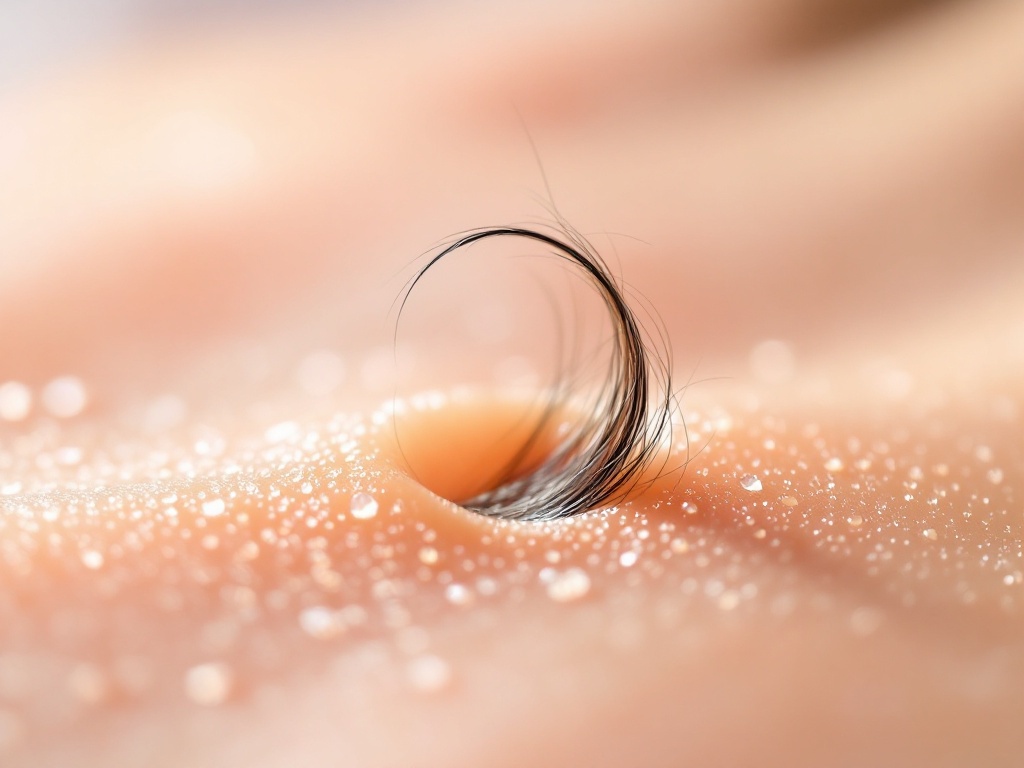
An ingrown hair forms when a hair, instead of growing up and out of the follicle, curls back and re-enters the skin, or never breaks the surface at all. The body treats the trapped hair as a foreign object and mounts an inflammatory response, producing the familiar red, sometimes pus-filled bump.
Two factors drive it most. The first is hair shape: coarse, curly hair is naturally inclined to curve back into the skin, which is why people with tightly curled hair experience ingrowns far more often. The second is hair removal: shaving, especially closely and against the grain, cuts the hair at a sharp angle and leaves a pointed tip that re-enters the skin easily; waxing and plucking can distort the follicle too.
Location matters because friction and curved follicles concentrate the problem in the beard area, neck, underarms, bikini line, and legs. Understanding the mechanism points straight to the solutions, change how the hair is cut, keep the follicle clear, and in stubborn cases reduce the hair itself. For the technique side of that, see our guide on how to prevent ingrown hairs when you shave. Ingrowns are not a hygiene failure; they are a predictable result of hair shape meeting hair removal.
Further reading: Treatment and Current Policies on Pseudofolliculitis Barbae in the US Military (Cutis 2023); Pseudofolliculitis barbae; current treatment options (Clin Cosmet Investig Dermatol 2019); Pseudofolliculitis Barbae: A Review of Current Treatment Options (J Drugs Dermatol 2019).