
Field Notes · June 3, 2026 · 5 min · By Edmund Carvalho
A simple routine to keep ingrowns away
Low-effort steps that prevent most razor bumps over time.
Keeping ingrown hairs under control does not require an elaborate regimen, a few consistent habits prevent the majority of them, whatever the body area.
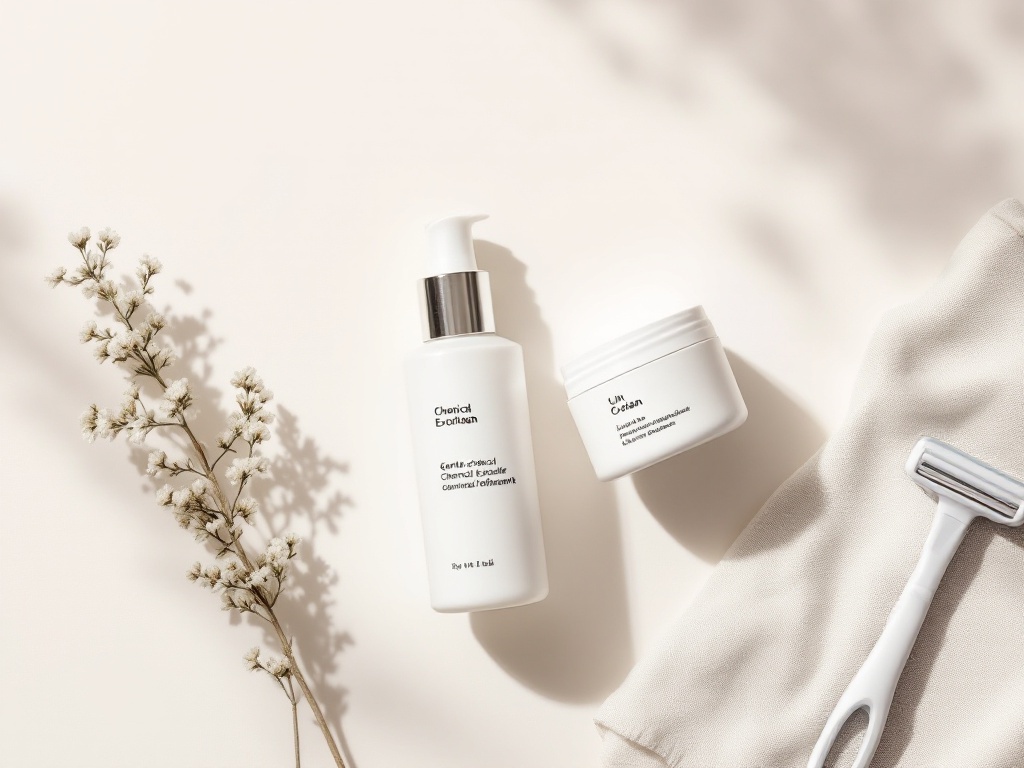
The routine: prepare the skin with warmth and a lubricating product before shaving; use a sharp, clean blade and shave with the grain without going over the same spot repeatedly; rinse and moisturize afterward with something gentle and non-comedogenic. A couple of times a week, exfoliate gently with a chemical exfoliant rather than a harsh scrub to keep dead skin from trapping emerging hairs. And critically, do not pick at the bumps that do appear, picking is what turns a minor ingrown into a scar or dark mark. For an independent overview, see How to prevent ingrown hairs.
For most people this is enough to make ingrowns rare. For those with very coarse, curly hair whose ingrowns persist and scar despite the routine, the next step is reducing the hair itself with laser rather than escalating the surface care. The honest framing is that good technique controls ordinary ingrowns, while chronic, scarring ones are a signal to treat the hair at its source. Either way, gentle consistency beats aggressive intervention.
Related reading: How to prevent ingrown hairs when you shave.
A few principles hold across ingrown hairs and razor bumps. The cause is almost always a hair that re-enters the skin after it is cut or pulled, so the most reliable fixes reduce that friction: a sharper single blade, shaving with the grain, less aggressive grooming, and gentle exfoliation between sessions. What works for one person depends on skin and hair type more than on any single product.
Staging matters too. Most irritation calms over days once you stop traumatizing the area, while chronic, recurring bumps are better judged over weeks as the routine changes. For stubborn cases, reducing the hair itself with laser hair reduction or electrolysis is the durable answer, and a clinician can set out that plan, the expected recovery, and what to do if a spot becomes infected.
For independent background on this topic, see How to prevent ingrown hairs, and review the full source list below. This article is editorial reporting and is not a substitute for a consultation with a board-certified dermatologist.