
Field Notes · January 4, 2026 · 5 min · By Edmund Carvalho
Ingrown hairs and the dark spots they leave behind
The discoloration often outlasts the bump, and is treatable.
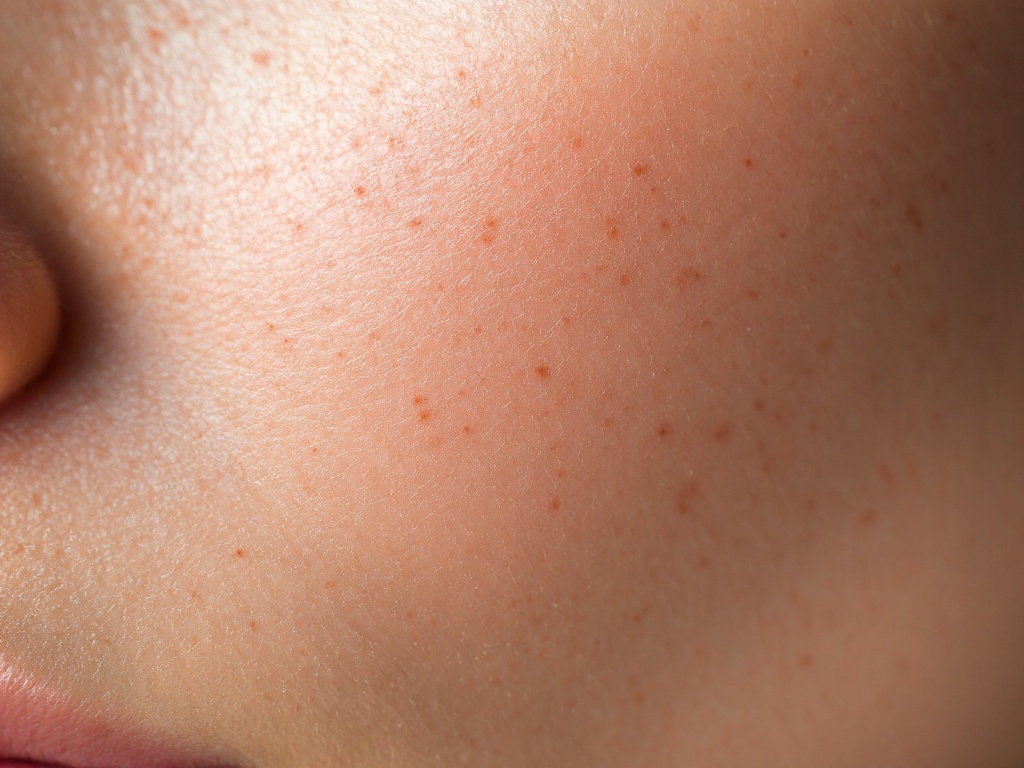
For many people, the most lasting consequence of ingrown hairs is not the bumps themselves but the dark marks they leave, post-inflammatory hyperpigmentation that lingers long after the inflammation settles, especially in deeper skin tones.
Each inflamed ingrown can trigger the skin to deposit extra pigment as it heals, and repeated ingrowns in the same areas, the beard line, bikini area, underarms, build up patches of darkening that can be more bothersome than the original bumps. Picking and squeezing make this dramatically worse, which is the most important habit to break. For an independent overview, see Post-inflammatory hyperpigmentation: diagnosis and treatment.
Treating the discoloration combines two efforts: stopping new ingrowns (technique changes and, for stubborn cases, laser hair reduction) so no new marks form, and fading the existing pigment with the same tools used for other hyperpigmentation, gentle exfoliation, brightening topicals like azelaic acid and niacinamide, and crucially sun protection, since UV deepens these marks. In darker skin, treatment must be gentle to avoid worsening pigment. The encouraging part is that once the source of new ingrowns is controlled, the existing dark spots fade steadily with patient, sun-protected care.
Related reading: A simple routine to keep ingrowns away.
A few principles hold across ingrown hairs and razor bumps. The cause is almost always a hair that re-enters the skin after it is cut or pulled, so the most reliable fixes reduce that friction: a sharper single blade, shaving with the grain, less aggressive grooming, and gentle exfoliation between sessions. What works for one person depends on skin and hair type more than on any single product.
Staging matters too. Most irritation calms over days once you stop traumatizing the area, while chronic, recurring bumps are better judged over weeks as the routine changes. For stubborn cases, reducing the hair itself with laser hair reduction or electrolysis is the durable answer, and a clinician can set out that plan, the expected recovery, and what to do if a spot becomes infected.
For independent background on this topic, see Post-inflammatory hyperpigmentation: diagnosis and treatment, and review the full source list below. This article is editorial reporting and is not a substitute for a consultation with a board-certified dermatologist.